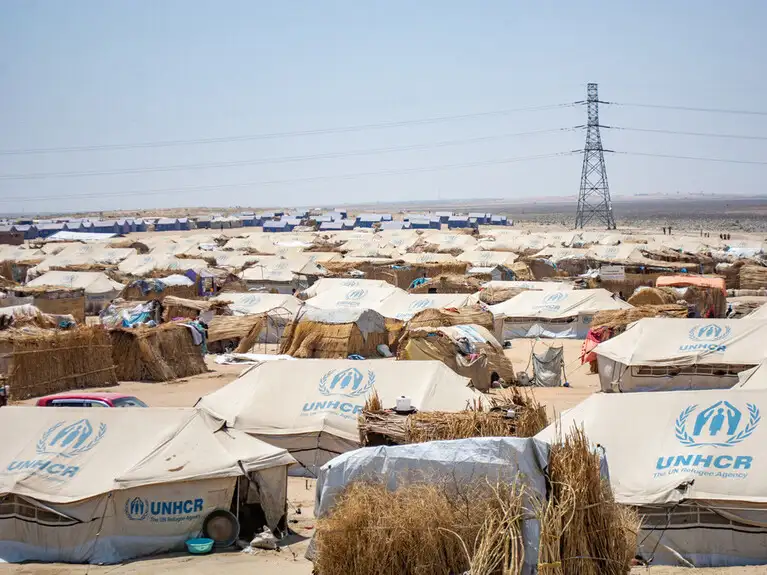
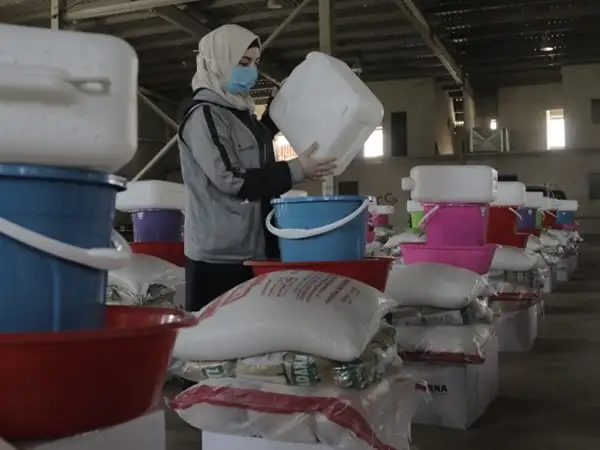
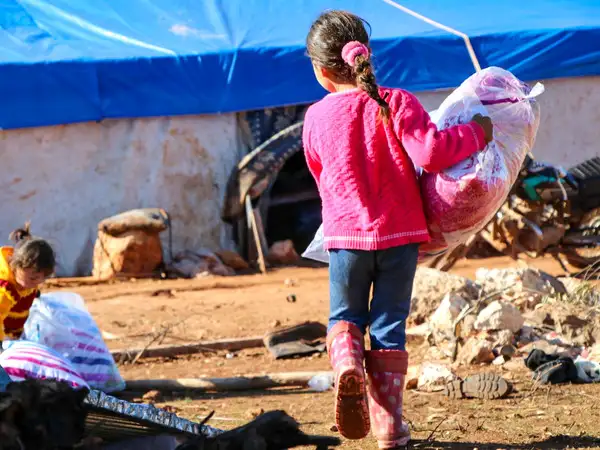
Funding is urgently needed for Syria. Six months into the year, the Humanitarian Response Plan is less than 9% funded, and the situation is dire with recent escalations, failing infrastructure and growing humanitarian needs. The Regional Refugee and Resilience Plan (3RP) is only 7.7% funded. Sustained, flexible funding is critical for maintaining lifesaving programs and enabling long-term recovery. Despite emphasis at the Ministerial Segment, early recovery remains underfunded, leaving millions dependent on emergency relief. Funding cuts force aid agencies to reduce essential services like healthcare and protection as needs reach unprecedented levels.
Decreased funding jeopardises efforts to address the worsening situation and increases the burden on neighbouring countries hosting refugees. Donors must provide the necessary resources to ensure Syrians receive the support and protection they need.
Hombeline Dulière, CAFOD’s Programme Manager for the Syria crisis response, said:
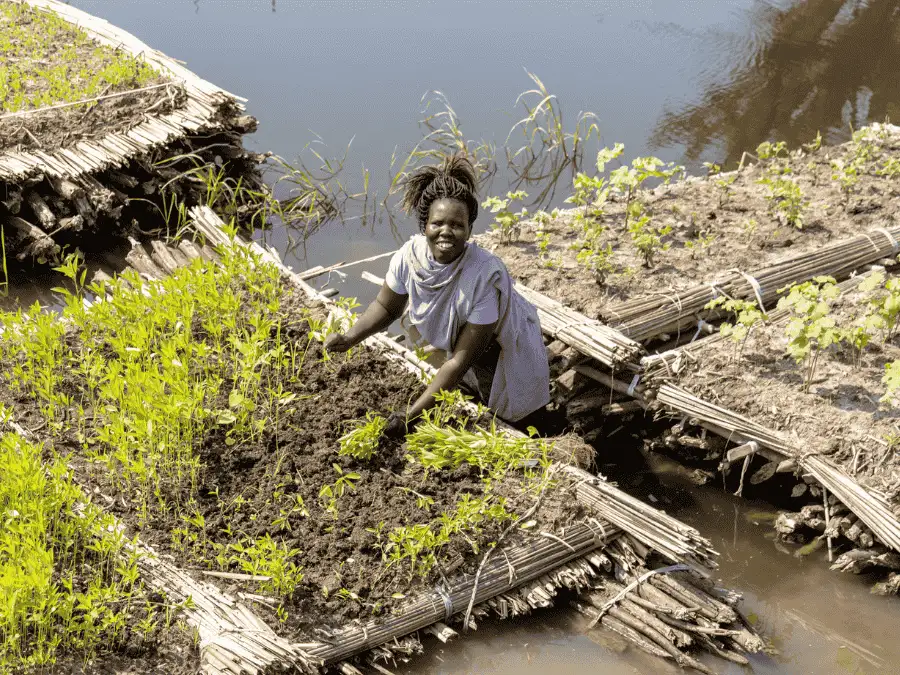
"The international community pledged less than half of what the UN's Syria Humanitarian Response Plan requires. This comes at a time when 16.7 million Syrians - over three quarters (75%) of the population - depend on assistance due to years of war, economic collapse and sanctions. With funding being cut year after year for the Syrian crisis response, local organisations on the frontlines are struggling to continue their work and cover their overhead costs. Support for projects that help people find livelihoods instead of relying on aid distributions has also suffered.
“The reduced funding makes it harder to deal with the worsening situation in Syria and doesn't help neighbouring countries that are left to handle the refugees on their own. We have been continuously supporting the most vulnerable people within Syria and those who have fled to neighbouring countries, working with our local partners, but our funding is limited and nowhere near what is needed to stem this humanitarian crisis. That’s why we’re appealing to the donor countries not to desert Syria when all Syrians need your help. The suffering in Syria requires a political solution but, until one is found, the UK and other donors need to increase their support for the humanitarian effort."