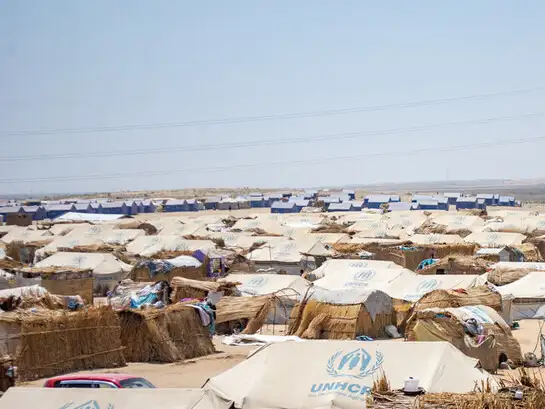
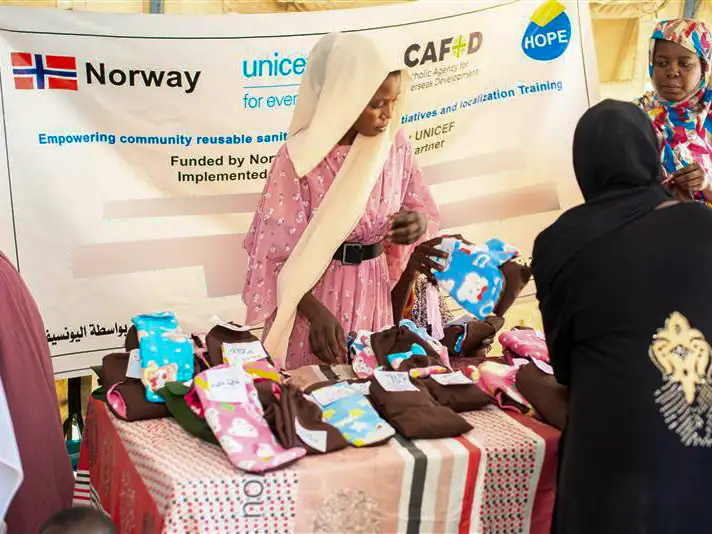
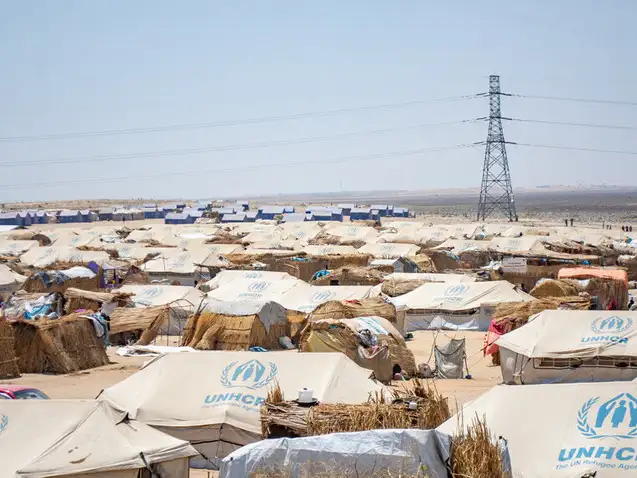
CAFOD’s support wasn’t just about provisions; it was about listening, responding and restoring dignity. Hygiene awareness messages were designed and delivered with the community to help prevent disease outbreaks. Local volunteers, some from among the displaced people, stepped forward to help care for their neighbours. The improvised settlement began to transform into a community space, where people could live in more dignified conditions.
Today, the displaced families carry the pain of being far from home, but they also embrace the hope of resilience. At a time when many felt abandoned, CAFOD and our partners’ presence has reminded them that the world has not forgotten Sudan.
Peace to me is not an abstract word. Peace is a mother able to give birth without fear. Peace is a girl going to school instead of a child marriage. Peace is the right to rest, rebuild, and feel safe in your own home.
As someone who has lived through this war and continues to serve, I believe peace must be built from the ground up with community voices, with local leadership, and with long-term support for protection, health and justice.
Being part of CAFOD has shown me what true accompaniment looks like. We don’t just deliver aid, we restore dignity, we stand with people, and we help them carry their hope. That is the kind of humanitarianism I believe in.
So when I say thank you to my fellow humanitarians, I say it with my whole heart. Thank you for choosing love in a time of violence. Thank you for staying, serving and believing. Your work is not just service, it’s survival for others.
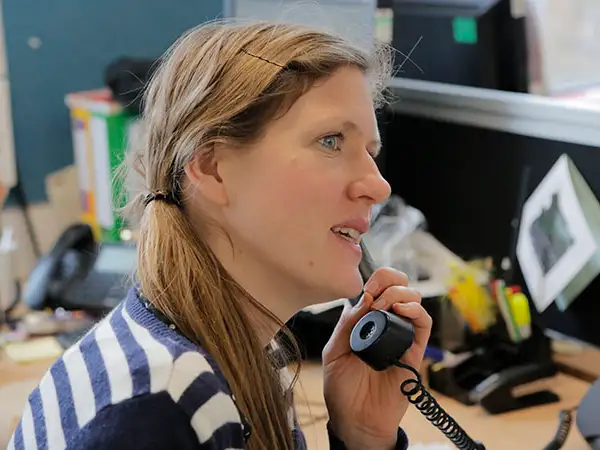
Tuesday 19 August is recognised internationally as World Humanitarian Day, a day when we give thanks to those who dedicate their lives – and often risk it all – to get help to people in times of crisis.