The visionary saints, like St Gregory, saw this in the sixth century. The missionary saints, like St Dulce, “the good angel of Bahia” who ministered to the marginalised out of a chicken coop in Salvador, lived it in the 20th century.
Pope Leo is keen to emphasise that the preferential option for the poor is not a ‘side-hustle’ of Christianity but core to being Church. He is also keen to make clear that those whom the Church must reach out to are not only recipients of help, objects of charity, but “subjects capable of creating their own culture” (DT, 100).
This is a very important message for Catholic charities to ponder because we are so often tempted to think in terms of how we can “save” people from poverty with our funds. In the Gospels, when rich followers of Jesus, like Zacchaeus, give away their wealth it is not those who receive what they are due who are saved by these actions, in Jesus’ eyes, but the ones who gave it to them. Those who are in need present an opportunity not to save, but to be saved.
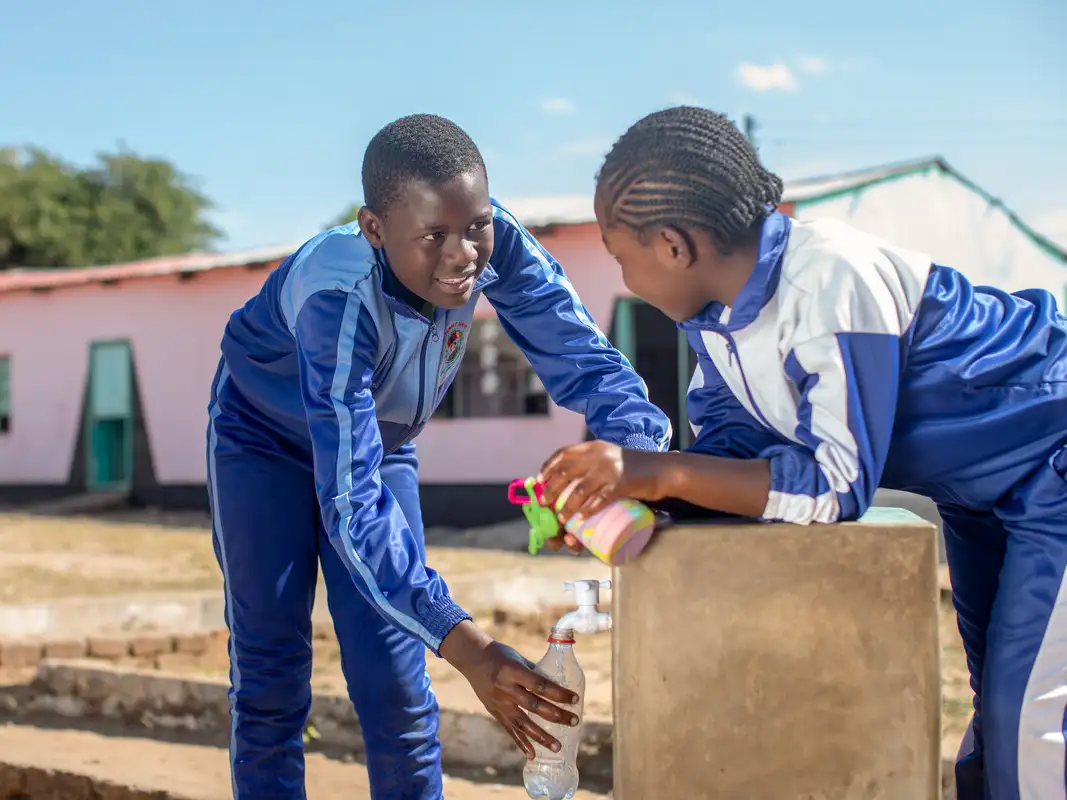
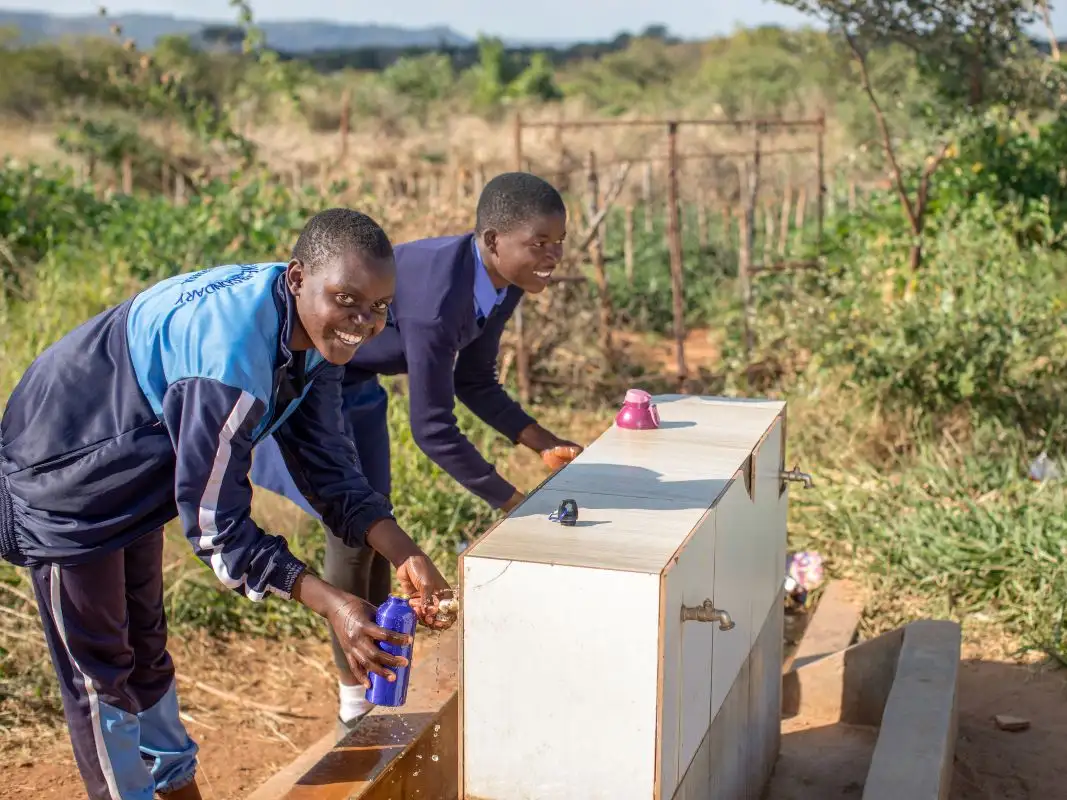
However, we must also be careful here of presenting poverty as something that makes people saintly or implying that suffering is somehow redeeming in itself. That would also fail to see the ways many of the people too often portrayed as needy are artisans of their own destiny and want to take responsibility for their situations. Zambia’s President Hakainde Hichilema was recently reported as saying that the shock of US and UK government aid cuts presents an opportunity for the country to “take care of our own affairs”. This is no sentimental statement.
In Honduras there is a project supported by CAFOD’s partners called Vamos a La Milpa- “Let us go to the cornfield”. This outdoor kitchen and smallholding growing papaya, squash, bananas and corn serves as a place of sanctuary for displaced migrants. It is also a place of communion and reconnection to the land which became particularly important to people during the COVID-19 pandemic. La Milpa was a place to connect with those things that are rendered invisible on supermarket shelves, the hard work of nieghbours and the abundance of Creation. Some of the community members see La Milpa in terms of the first Christian community in the Acts of the Apostles: a place where everything is shared, not just resources, but joys and griefs, hopes and anxieties.
Though I have never visited La Milpa, it sounds like the kind of place where the distinctions between giver and receiver, needy and wealthy, start to blur within the rhythm of communion and reciprocity. Such community projects help us to clarify that the preferential option for the poor is not simply about shifting power and resources from the ‘haves’ to the ‘have nots’ but participating in the saving work of Christ who stooped down in order to lift up all of humanity.