Lebanon continues to struggle to manage political, economic, financial and social crises. The country has been facing high levels of inflation, which have led to a severe deterioration in the population’s purchasing power. This situation has deeply impacted Syrian and Palestinian refugees, migrants, as well as vulnerable Lebanese. These communities are facing sharp increases in poverty and limitations on access to food, healthcare, education and other basic services.
The country also hosts high numbers of refugees who require assistance. The Lebanese government estimates around 1.5 million Syrian refugees and over 200,000 Palestinian refugees according to UNRWA. With a Lebanese population of 5.3 million, these figures make Lebanon the country with the biggest refugee-to-resident population ratio worldwide.
A better world needs all of us. That’s why CAFOD has been working alongside partners in Lebanon since the 1980s. Together, we’ve been supporting vulnerable communities through years of challenges.
Lebanon faces significant challenges, from the ongoing war, to ongoing political and economic crises.
According to the latest World Bank report issued in May 2024, poverty has more than tripled over the past decade, reaching 44 per cent of the population. The human impact remains severe: one in five people in Lebanon – around 1.17 million – are facing acute food insecurity and nine out of ten Syrian refugee households are not able to afford essential goods and services that ensure minimum living standards.
Damage to agricultural infrastructure, economic stagnation, rising inflation rates and declining humanitarian aid continue to push families to the brink. These compounded crises undermine livelihoods, make vulnerabilities worse and expose structural inequalities – and are all amplified by high levels of inflation, disruption of supply chains and the intensifying consequences of the climate crisis.
We have been working in Lebanon for over 30 years, and responding to the Syria crisis in Lebanon since 2012. We stand in solidarity with Lebanese, Syrian and Palestinians in Lebanon working for peace, justice and the elimination of poverty. CAFOD works in partnership with local organisations who are often the first responders in a crisis, and those who work towards long-term peace with justice. We support those who challenge the structures which prevent fulfilment of human rights, flourishing lives and the environment.
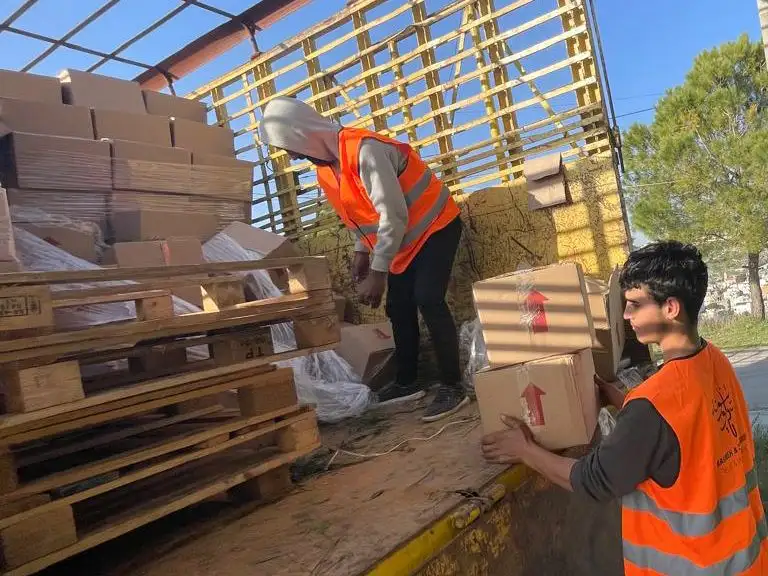
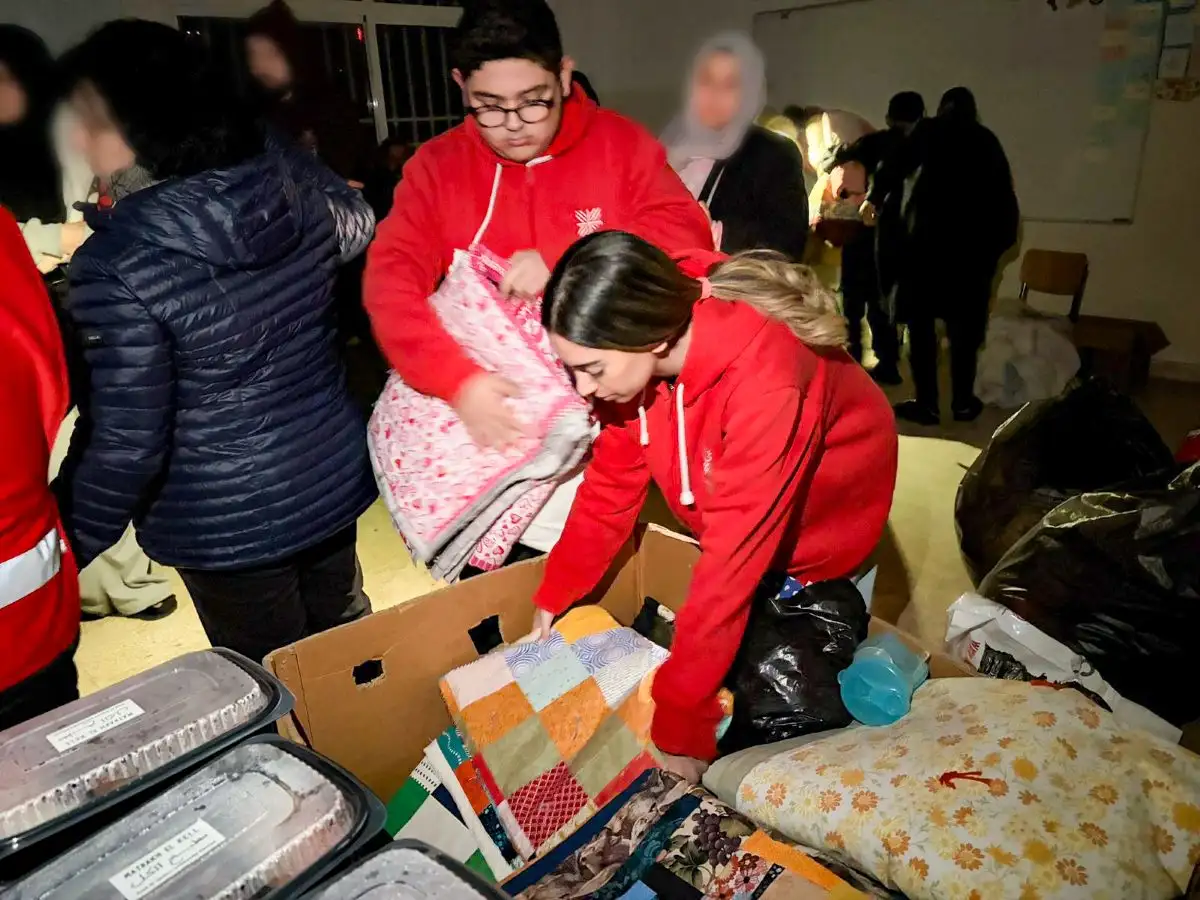
Together, we can build a better world. In Lebanon, your donations support vulnerable communities, including Lebanese but also Palestinian and Syrian refugees. Alongside our partners, we’re addressing the urgent needs of those impacted by the current conflict and instability, focusing on: