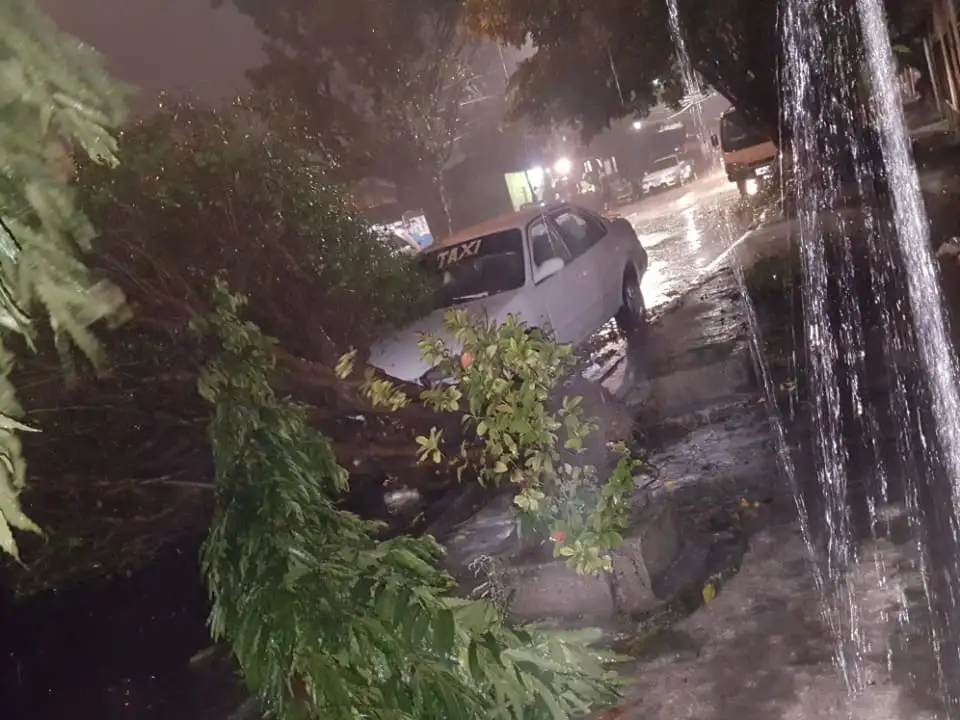
With over 60 per cent of the population living in poverty, Honduras is one of the poorest and most unequal countries in the world. It is also one of the countries most affected by the climate crisis, with the ‘dry corridor’ making Honduras particularly vulnerable to prolonged droughts, erratic rainfall and other extreme weather events that devastate crops and livelihoods.
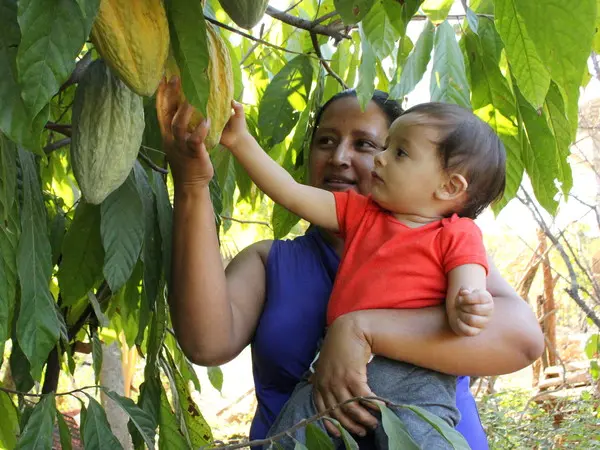
Rural communities, small-scale farmers and indigenous groups face severe challenges in accessing nutritious food, clean water, sanitation and healthcare, leaving them highly exposed to the combined effects of environmental shocks, economic inequality and ongoing violence.
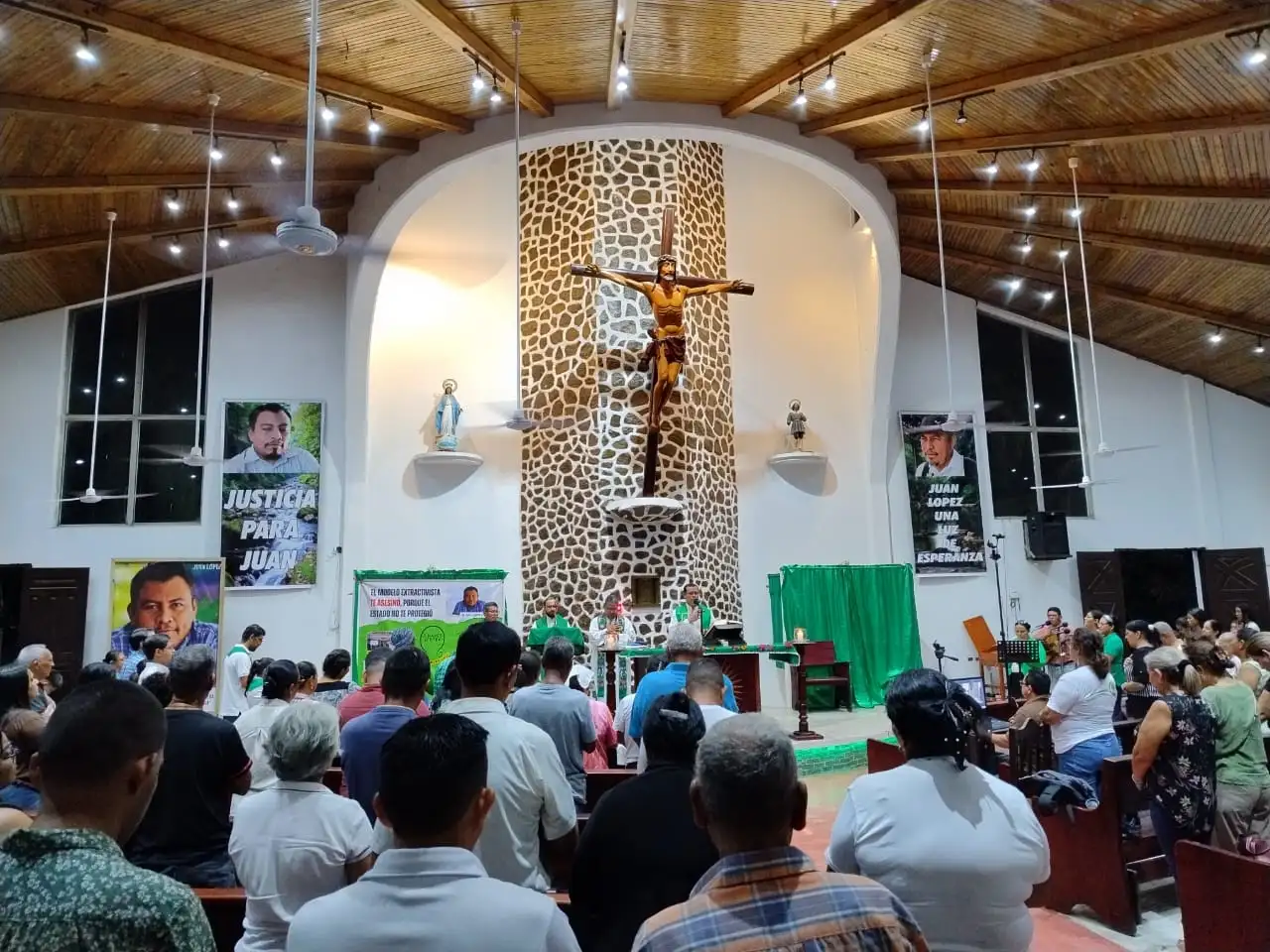
Due to systemic violations of rights, weak and corrupt institutions, as well as a lack of access to justice, Honduras has become one of the most dangerous places in the world for human rights defenders.
Gender-based violence continues to be a huge challenge for women and girls in Honduras. As a result, the country has one of the highest femicide rates in Latin America. Over 95 per cent of violent deaths go unpunished, leading to a systemic cycle of impunity.
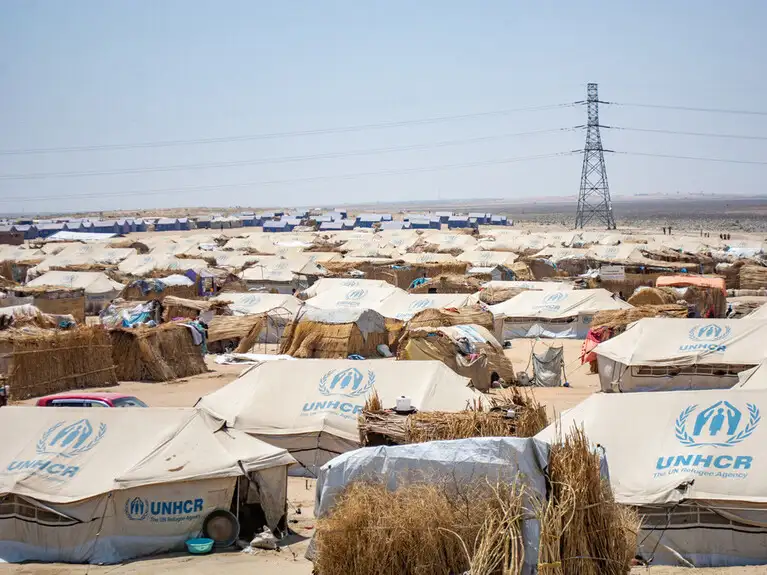
In response to these multi-layered challenges, thousands of Hondurans migrate each year and the remittances they send home are a crucial source of income for many families.
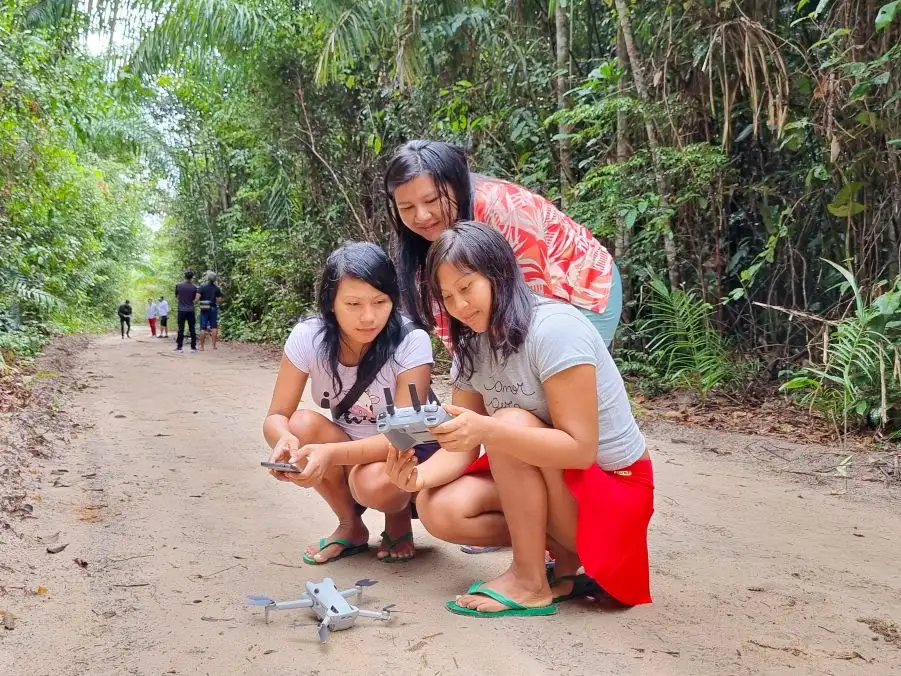
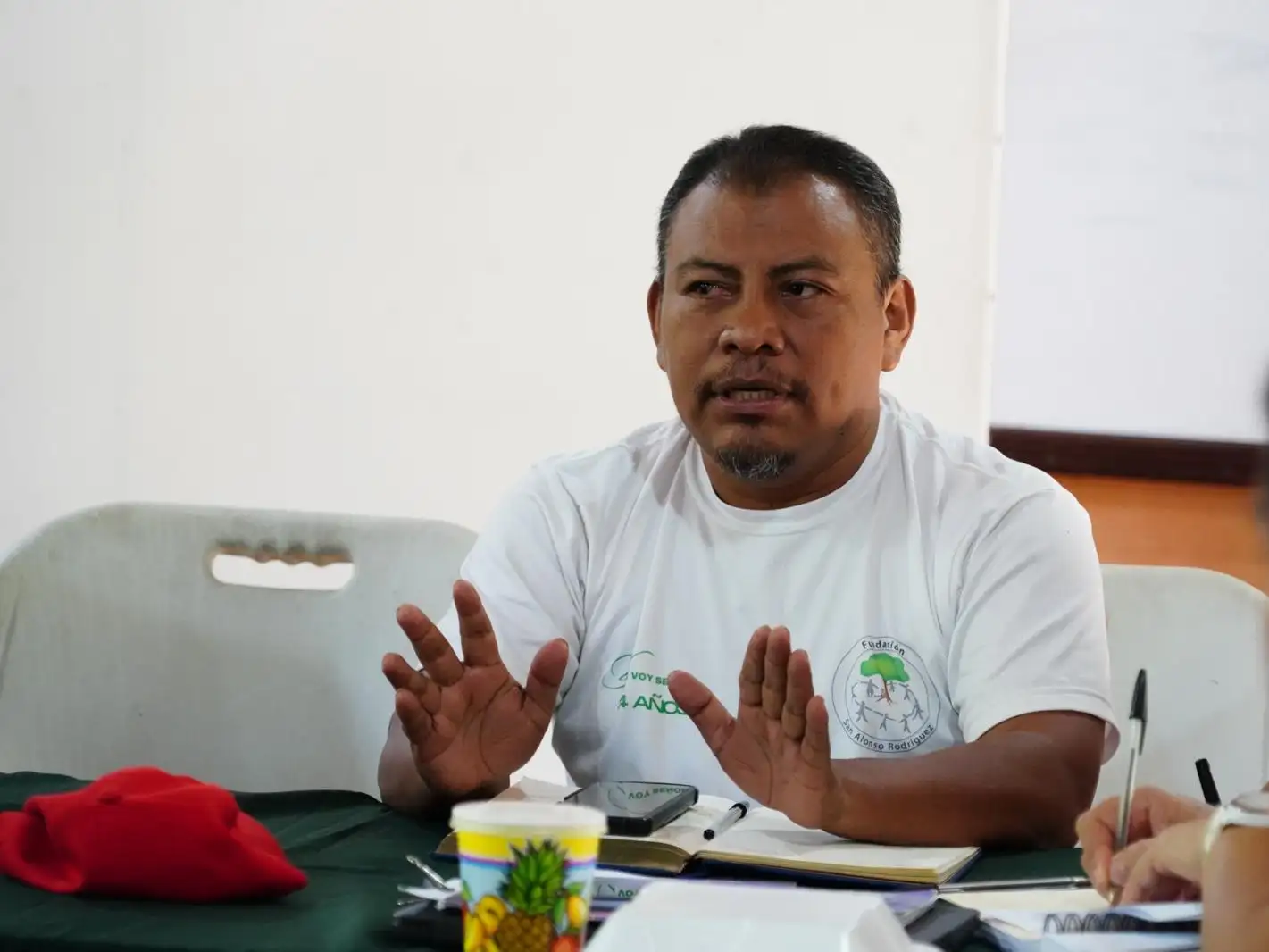
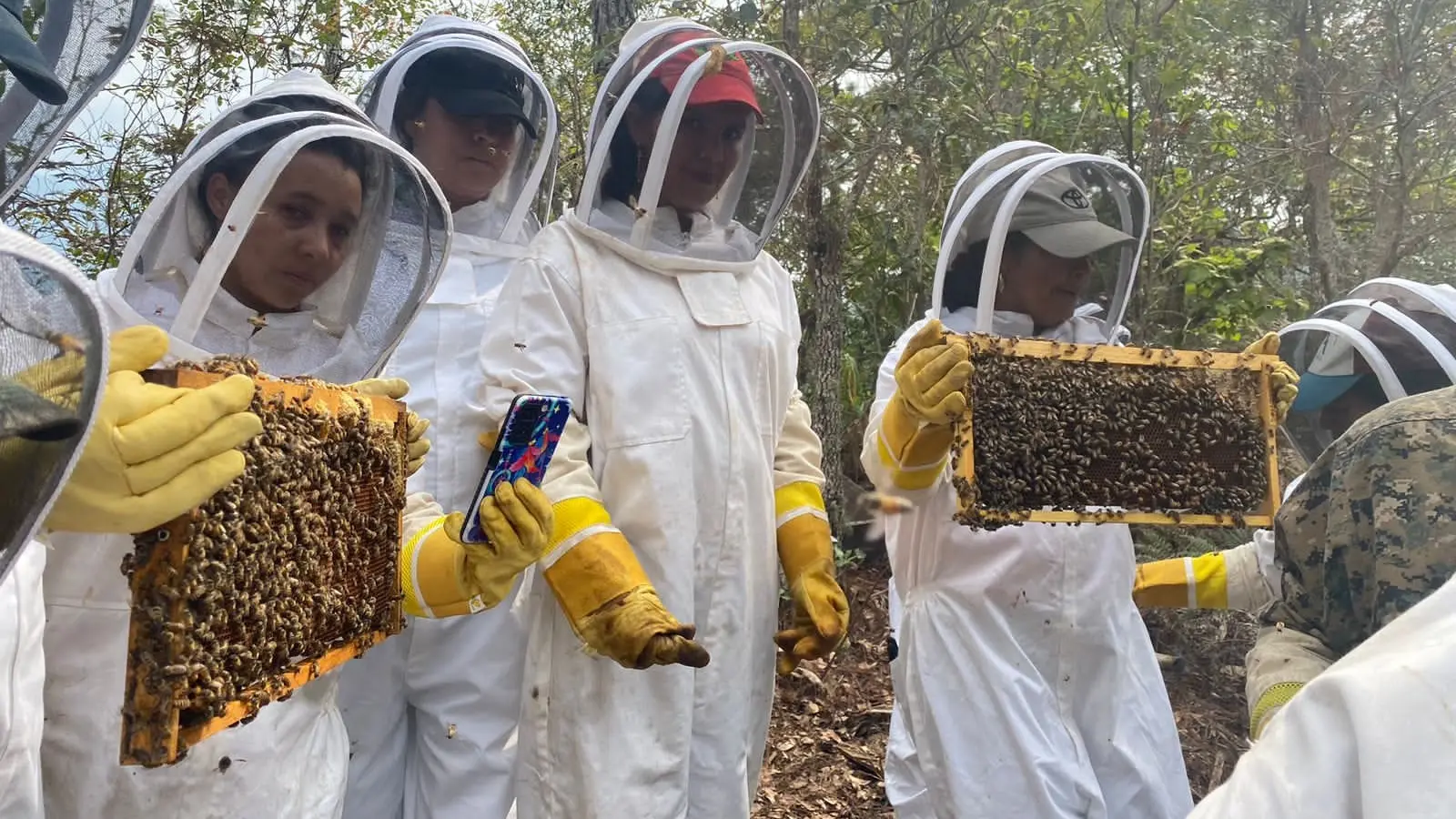
A better world needs all of us. That’s why CAFOD has been working together with local partners in Honduras since the 1960s to challenge systemic governance and justice issues, alleviate poverty, promote gender equality, protect the environment and support indigenous communities to stand up for their land rights.