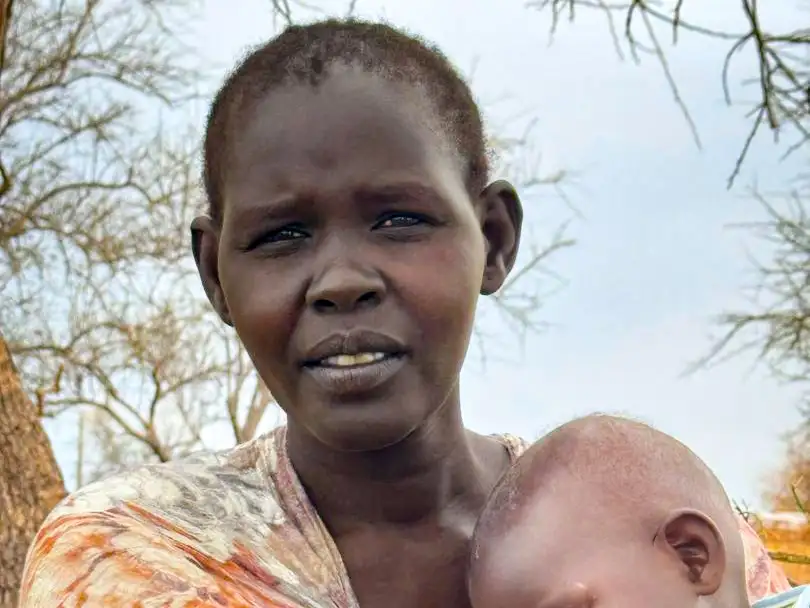
Almost six in ten Guatemalans live in poverty. Malnutrition rates in Guatemala are some of the highest in the world, with nearly half of children under five suffering from stunted growth.
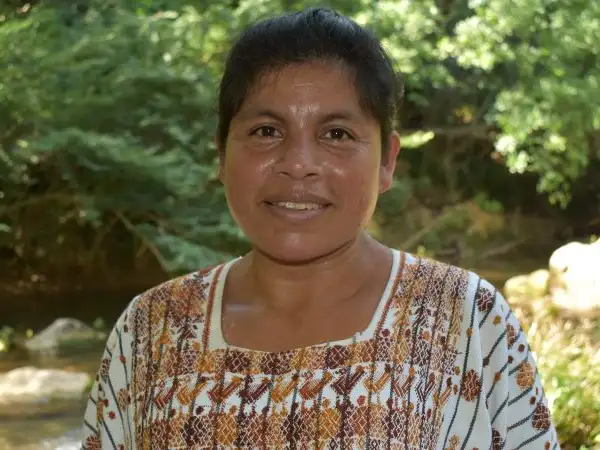
Around half of Guatemala’s population are indigenous, mainly Mayan, Garifuna and Xinca. Indigenous people face disproportionately high poverty rates with over 75 per cent of indigenous people living in poverty.
Until the 1990s, Guatemala experienced four decades of civil war where more than 200,000 people – mostly civilians – were killed or disappeared. Despite peace, violence and human rights abuse continue.
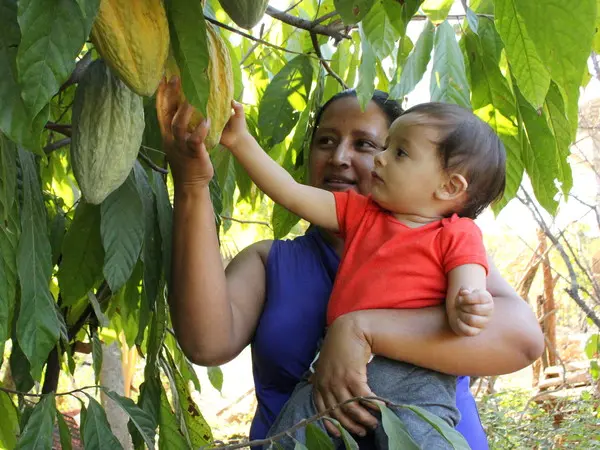
Guatemala is one of the most biologically diverse countries in the world and is highly vulnerable to the impacts of the climate crisis, especially hurricanes and droughts which are becoming increasingly common in the region.
Alongside other Central American countries, Guatemala is part of the Mesoamerican Biological Corridor, a regional environmental initiative which aims to conserve biological diversity and protect the vital land bridge for migrating animals.
The Central America migration crisis remains an unprecedented humanitarian crisis with record numbers of displaced people trying to escape gang violence, poverty and a lack of access to food. As a result, over 215,000 migrants cross through Guatemala a year from other Latin American countries and regions.
Guatemala is one of the most dangerous countries in the world for people defending the environment. We support human rights defenders in Guatemala and across Latin America to protect their territory, land and environment, and to stand up for their rights.
A better world needs all of us. That’s why CAFOD has been working with partners and communities in Guatemala since 1968. Together, we support families to adapt to the climate crisis, restore the environment, protect women and indigenous rights, and respond to the migration crisis.