

The civil war in El Salvador, which ended in January 1992, had a devastating impact, leaving a legacy of human suffering, poverty and a breakdown of the country’s social fabric.
Entrenched inequality and political instability remain huge challenges. Wealth is concentrated in the hands of the few while most of the population struggle with unstable employment, low wages and limited access to quality education, healthcare and housing.
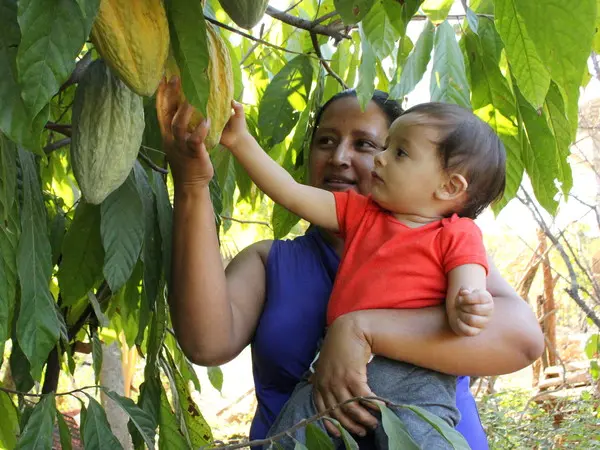
Rural communities who depend on small-scale farming are very vulnerable. Remittances from abroad keep many Salvadorian families afloat rather than lifting them out of poverty. Corruption and underinvestment in public services lead to a cycle of economic and social exclusion of the poorest communities.
Despite a formal return to peace, El Salvador is experiencing a sharp decline with regards to the respect of human rights. The country now has the highest incarceration rate in the world and, since 2022, the government has maintained a state of emergency that restricts civil liberties and silences dissent.
In this climate of repression, human rights and environmental defenders who challenge injustice are discriminated, harassed and criminalised.
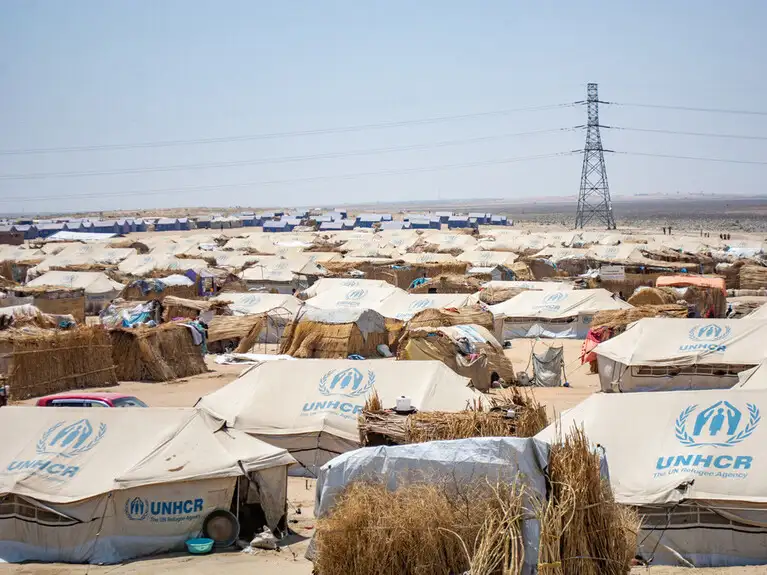
The Central America migration crisis remains an unprecedented humanitarian crisis. Record numbers of displaced people in El Salvador and across Central America are trying to escape violence, poverty and a lack of food.
El Salvador is facing a water crisis. Around 80 per cent of the country is under water stress and more than 60 per cent of the available water is polluted.
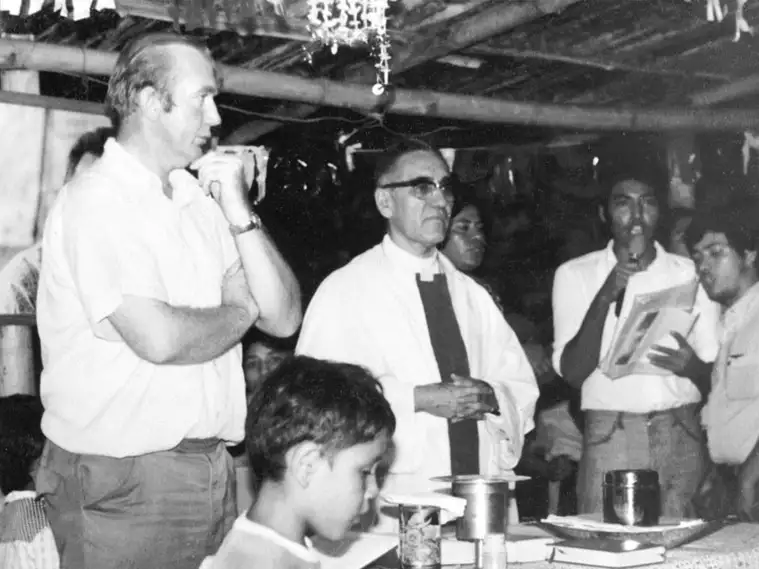
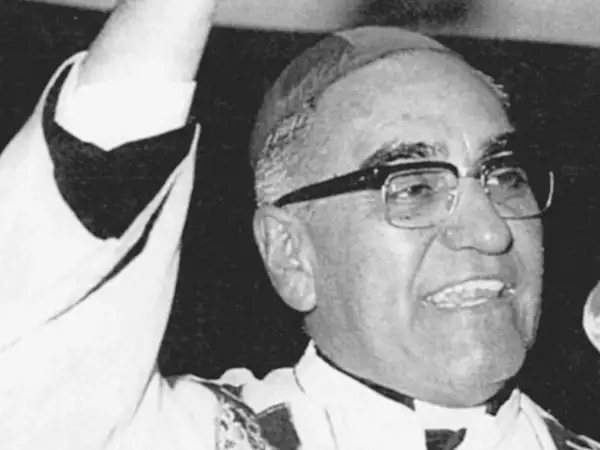
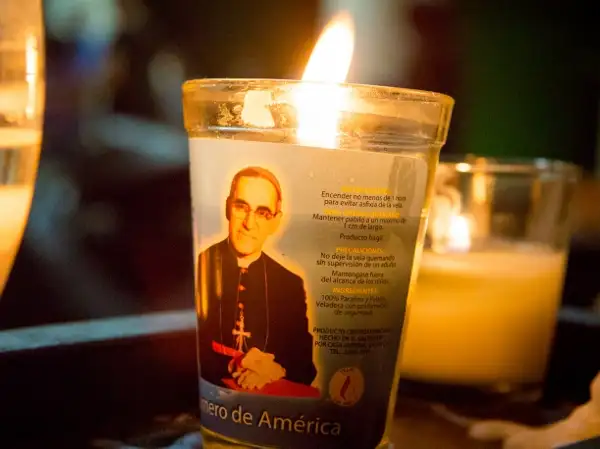
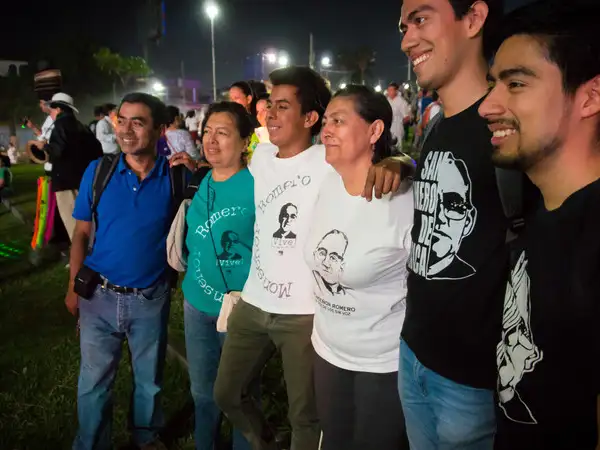
A better world needs all of us. That’s why CAFOD has worked with local partners and communities in El Salvador since 1974, supporting small-scale farmers, standing up against injustice and empowering vulnerable groups. We continue to be inspired by Saint Oscar Romero and his insistence on the need for peace, justice, equality and respect for human rights.
News from El Salvador