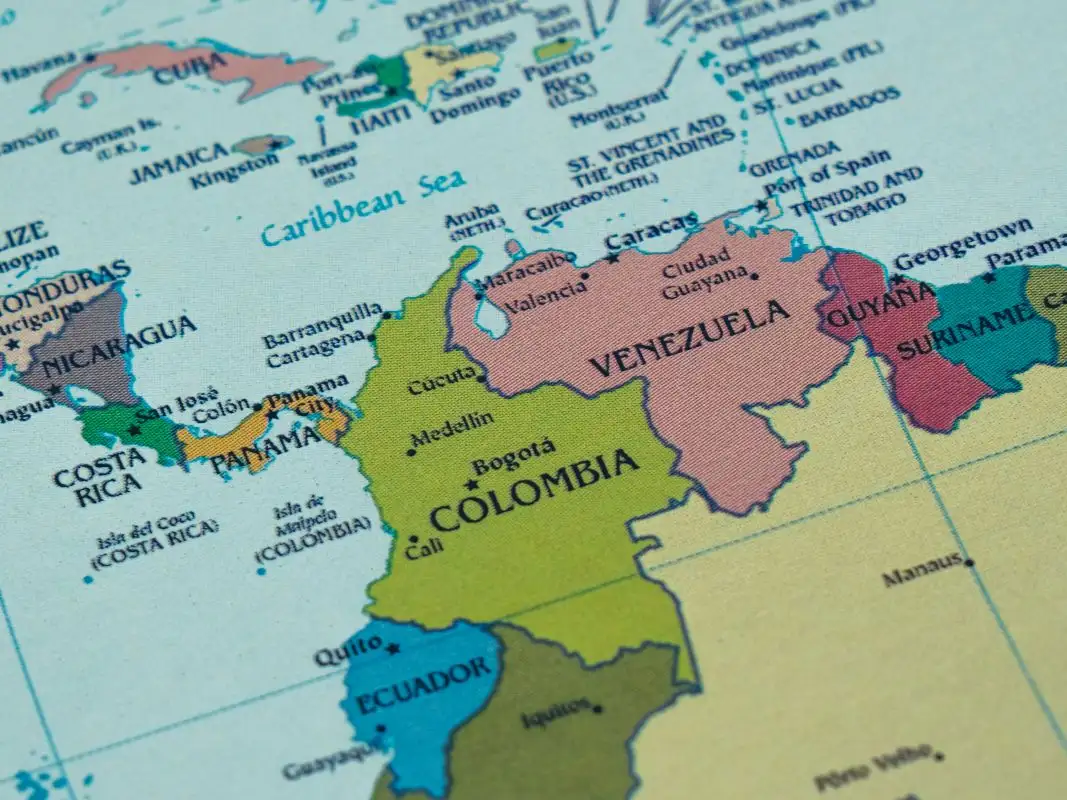



More than 60 years of internal armed conflict has affected millions of people in Colombia – especially people from Indigenous, small-scale farming and Afro-Colombian communities.
The conflict between the Colombian government and the then-largest guerrilla group, the Revolutionary Armed Forces of Colombia (FARC), officially began in 1964. In 2016, a historic peace accord was signed between the government and FARC.
However, the conflict endures, now increasingly fragmented and complex, involving other guerilla and dissident groups, paramilitaries and criminal gangs. Armed groups continue to use violence to control people’s lives.
According to the Colombian Truth Commission, 450,664 people were killed in the armed conflict between 1985 and 2018, although due to underreporting they estimate that the true number of people killed might be closer to 800,000. Killings and other human rights violations, including forced child recruitment, displacement and sexual violence, persist as the conflict endures. Between 2021 and 2024 forced recruitment of children by illegal armed actors increased by 1,000 per cent.
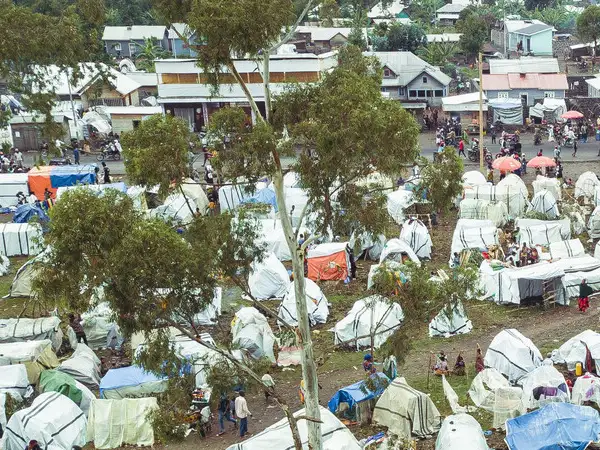
Colombia has one of the highest numbers of internally displaced people in the world: more than 8 million people have been forced to flee their homes in search of safety.
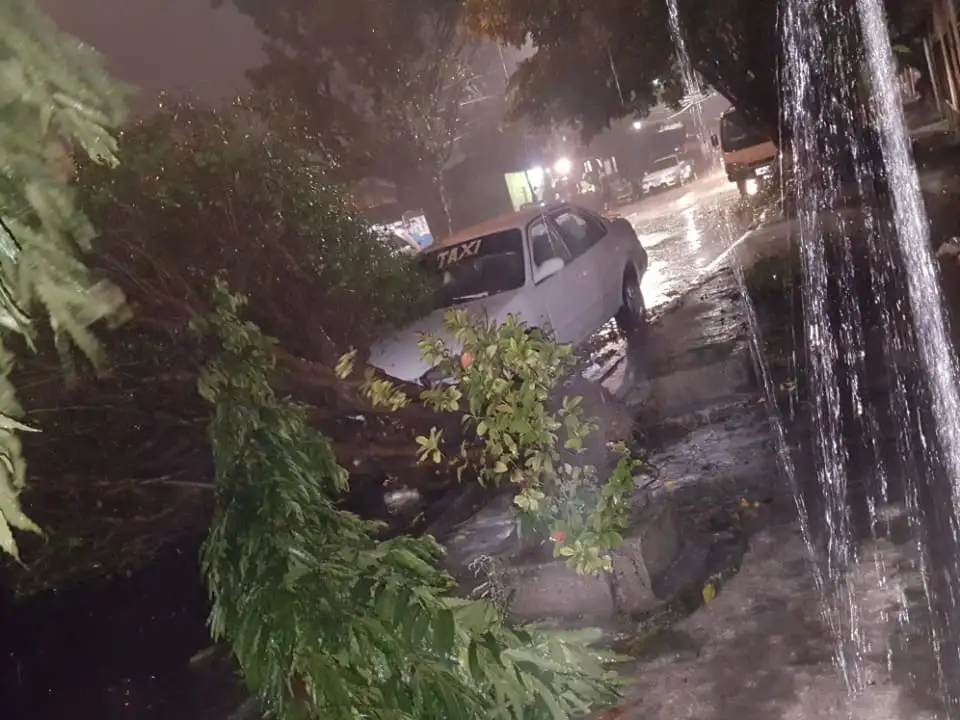
Colombia faces a complex humanitarian situation where natural disasters, armed conflict and the impacts of large-scale migration – often without adequate support – interact, making local communities extremely vulnerable. More than 16 million people remain in poverty in Colombia, mostly in remote rural areas, where extreme poverty is three times higher than in urban areas. Colombia is one of the most unequal countries worldwide, with Indigenous and Afro-Colombians disproportionately affected. It is also the most dangerous country in the world for human rights defenders.
A better world needs all of us. That’s why CAFOD has been working alongside communities in Colombia for more than 60 years. With your support, we’re focusing on addressing the root cause of the armed conflict, building peace and protecting the environment in the midst of conflict, natural disasters and climate change. In the UK we are also calling for effective legislation to ensure business linked to Colombia, particularly in the mining sector, respect human rights and the environment. We also urge the UK and the wider international community to maintain their support for peacebuilding efforts and for responding to humanitarian crises in Colombia.
News from Colombia