Millions of people in Asia are socially, politically and economically excluded because of discrimination, weak governance and widespread corruption.
While fast economic growth has helped to significantly reduce poverty in Asia, economic hardship remains a huge challenge. Income inequality across the region is vast and the impact of COVID-19 and rising costs over recent years has pushed millions more people into extreme poverty. Many poor and vulnerable families are unable to access enough nutritious food, as well as basic services like quality education, healthcare and sanitation. Social services to support vulnerable people are often weak or non-existent. Millions of people are living just above the national poverty line and are extremely vulnerable to shocks.
Violence and conflict driven by ethnic, religious, political and historical discrimination continues to plague the region, with many generations only knowing conflict and instability. These tensions often lead to an escalation in violence, further systemic discrimination and human rights abuses.
Patriarchal attitudes, laws and governance systems, gender stereotypes and power inequalities in Asia remain a significant challenge for women and girls who often are unable to access basic rights, including the same health, educational and employment opportunities and services as men. Women often have limited access to land and credit and have little control over their lives. Gender-based violence is a significant issue across the region with particularly high rates of violence in all countries where CAFOD works in Asia.
Authoritarian regimes in Asia have limited freedom of expression and freedom of the press. Intimidation, arrests, detentions and a culture of fear represent significant challenges for human rights defenders, especially women and environmental defenders.
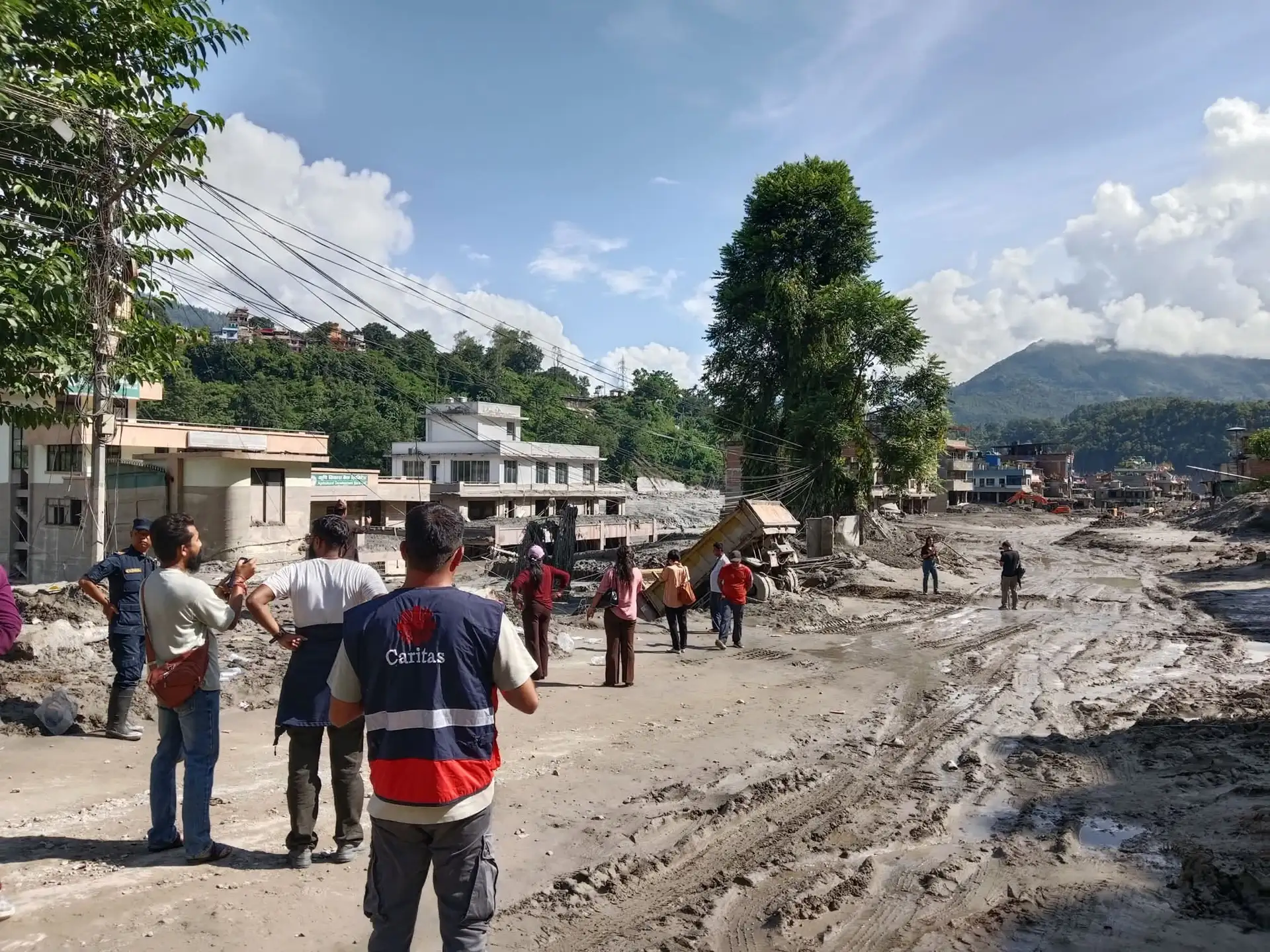
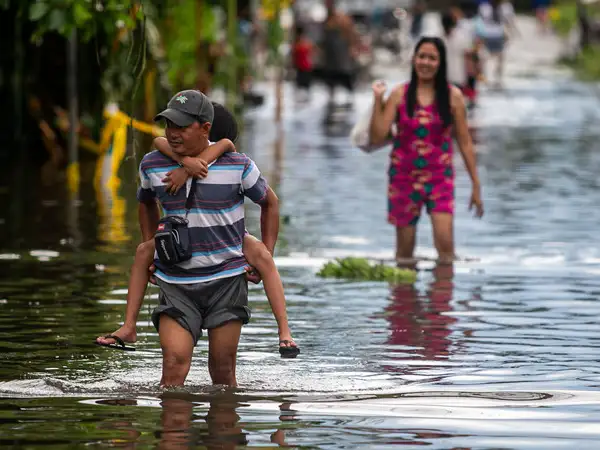
Asia is highly vulnerable to the impacts of the climate crisis and is experiencing increasing extreme weather such as floods, droughts, cyclones and heatwaves, which threaten families’ abilities to earn a living. Due to its geographical location among major tectonic plate boundaries, earthquakes in Asia are also common and often lead to widespread humanitarian suffering. Such disasters often further exacerbate pre-existing issues of conflict, poverty and political instability.
Rapid economic growth over recent years has resulted in significant pollution, deforestation and environmental degradation which in turn has led to changing weather patterns and made poor communities ever more vulnerable to natural disasters, especially families who are dependent on agriculture.
The so-called Green Revolution in the 1960s encouraged farmers to become heavily dependent on imported fertilisers, pesticides and seeds. This has resulted in damage to the soil, deforestation and loss of biodiversity. The climate crisis is making the situation even worse.