



Kenya is facing an acute debt crisis. As of 2024, Kenya’s debt reached $82 billion. Creditors include China, the United States and Saudi Arabia, as well as the International Monetary Fund (IMF) and World Bank. More than half of government revenue goes towards debt repayments.
This massive debt – over 75 per cent of Kenya’s GDP – is seriously stifling growth and limiting Kenya’s ability to fund healthcare, education and protect vulnerable communities from the worst effects of the climate crisis.
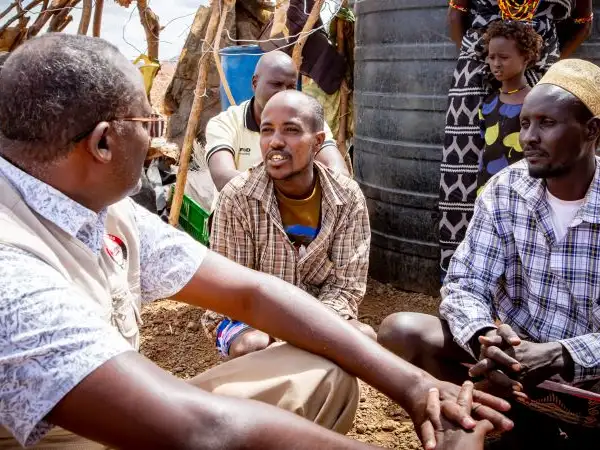
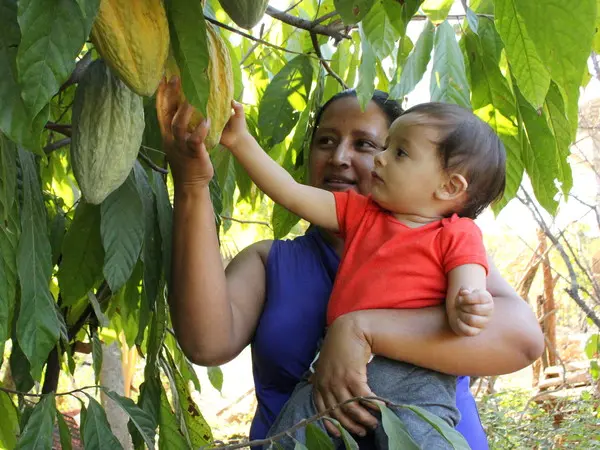
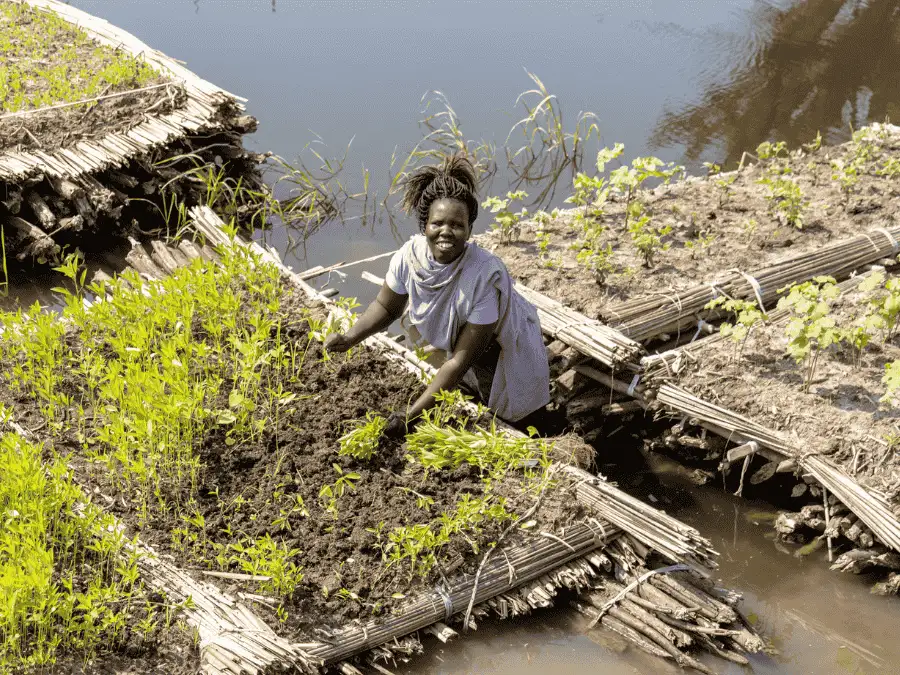
Kenya is a largely agricultural country (the agricultural sector employs more than 70 per cent of Kenya’s rural population) but the climate crisis is making fertile land increasingly scarce. The prolonged drought conditions caused by the climate crisis are also increasing the risk of waterborne diseases as safe, clean water becomes more difficult to access.
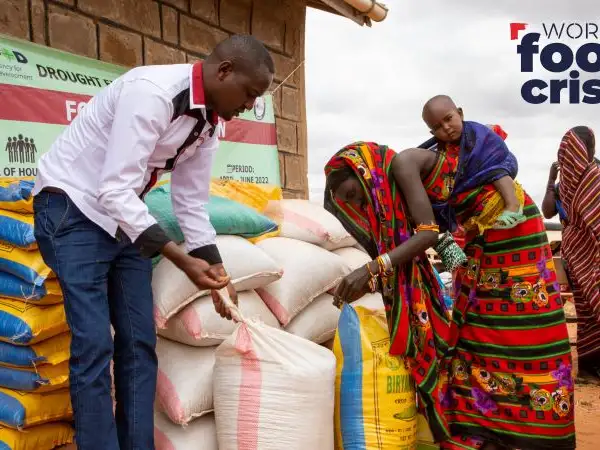
A better world needs all of us. That’s why CAFOD has been working in Kenya since the 1980s to increase food security and improve access to water, to boost resilience in the face of climate shocks, and to tackle gender inequality.
News from Kenya