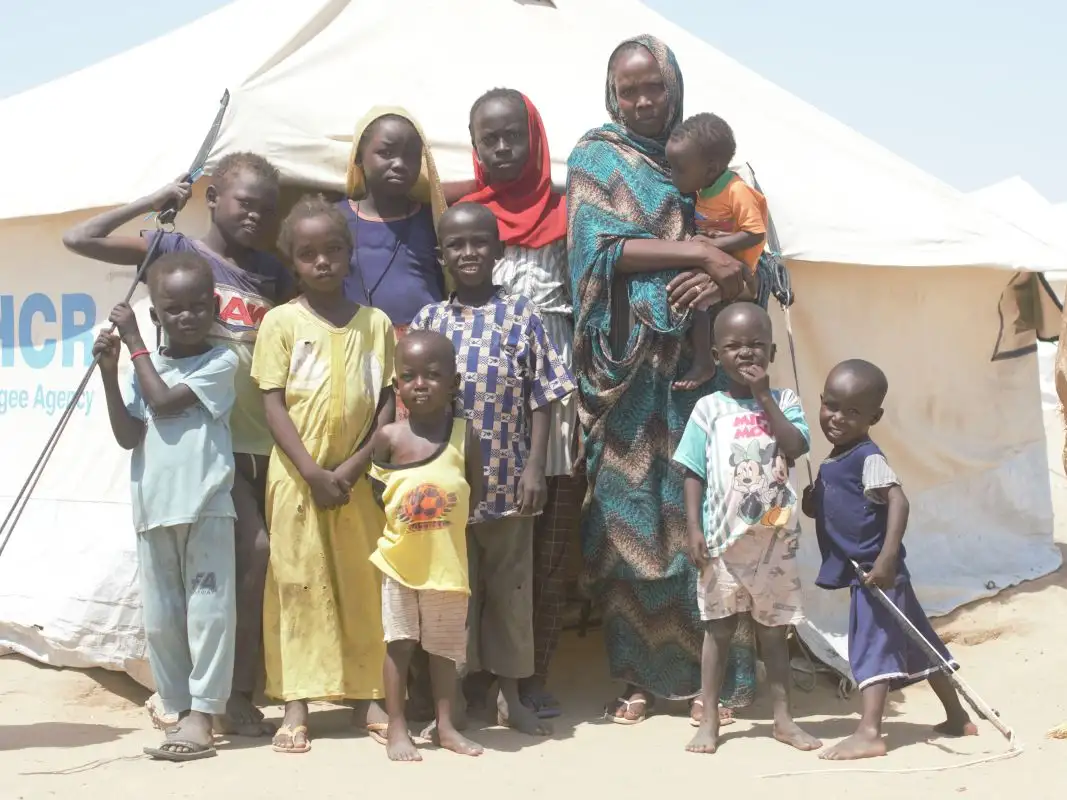
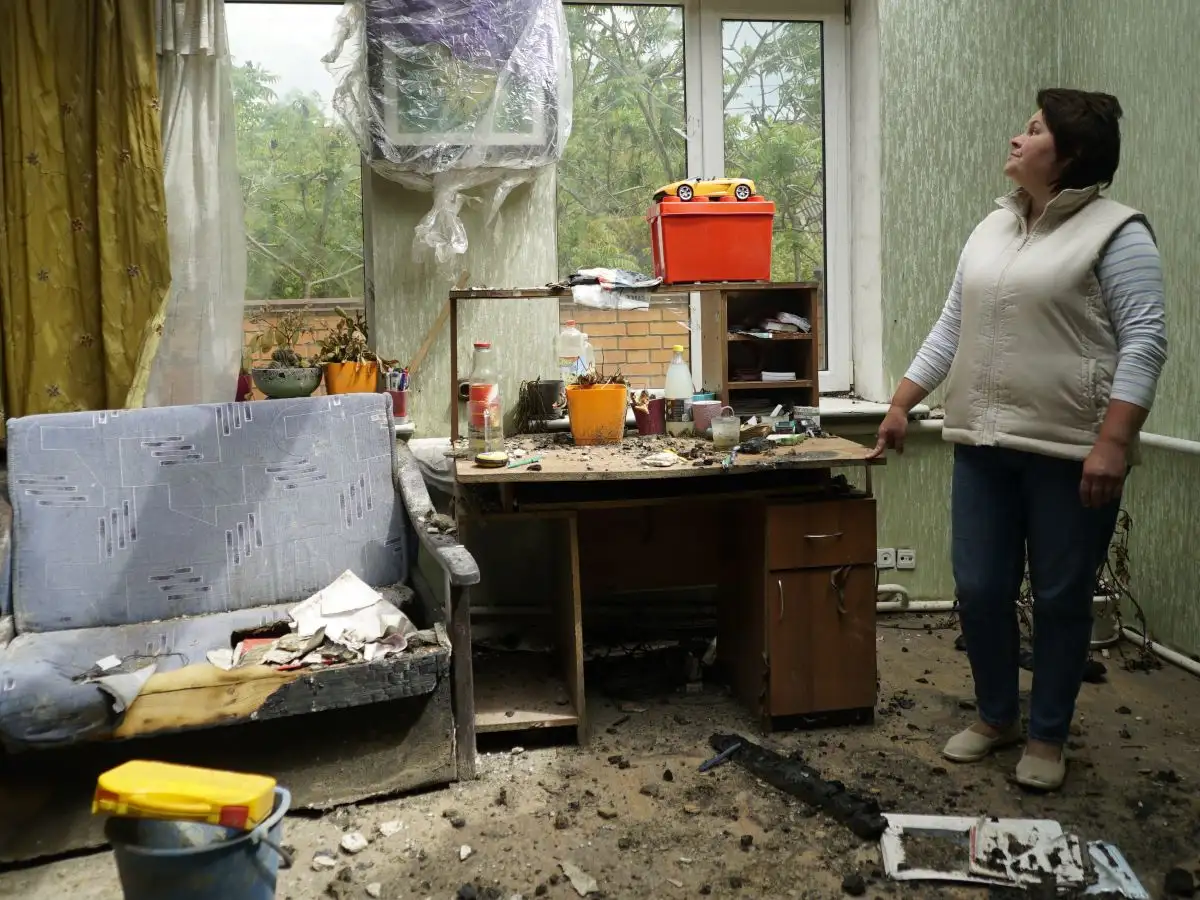
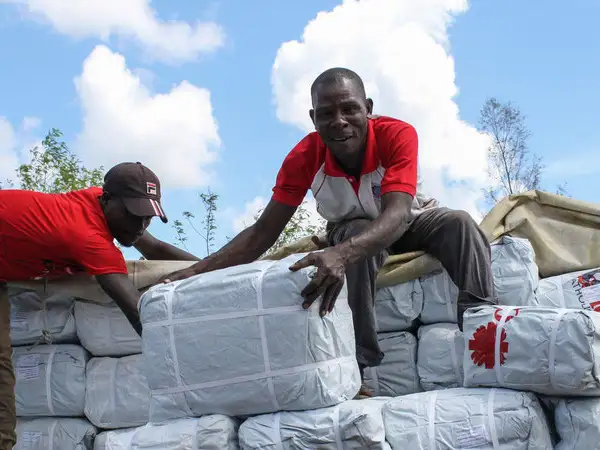
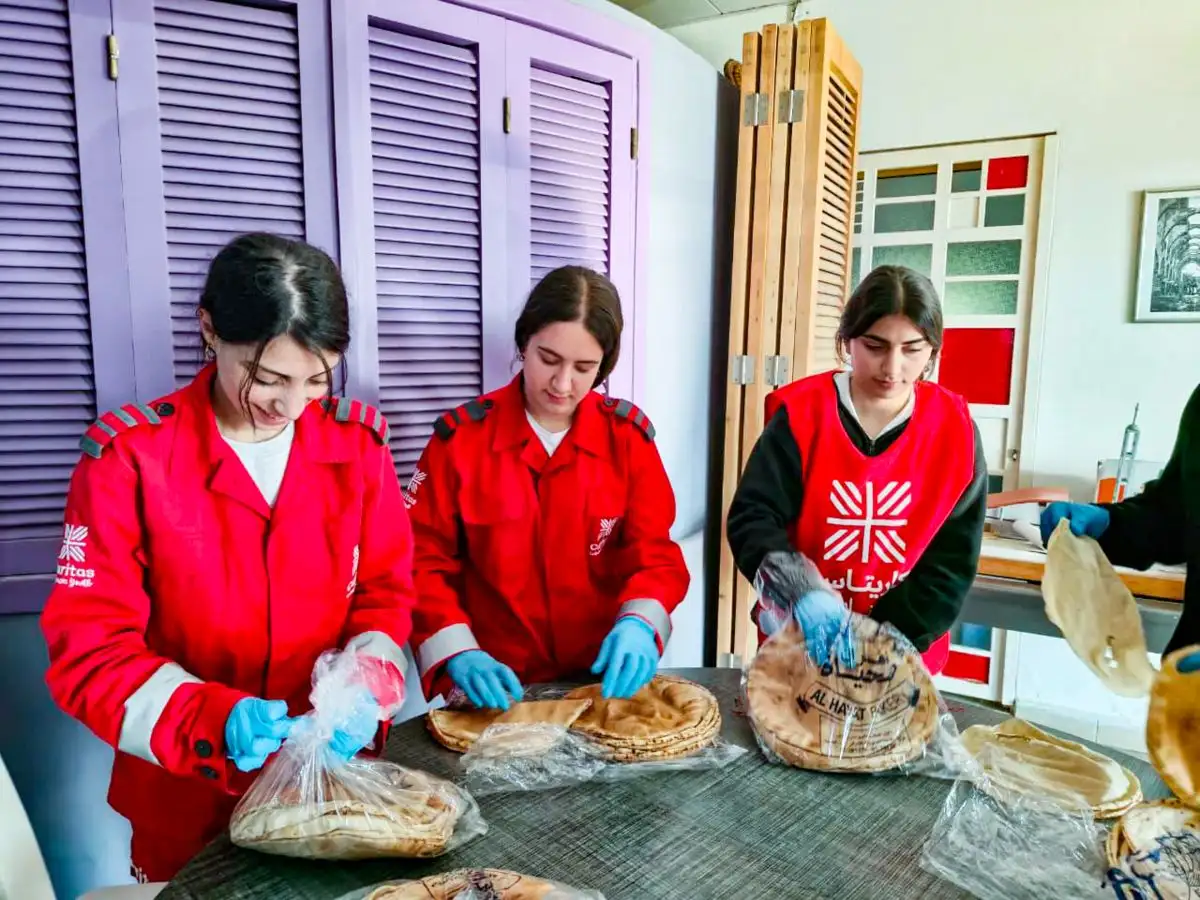
We have been working in emergencies with local experts for over 60 years. We are inspired by the Gospel values of dignity, compassion, solidarity and hope. That’s why we are committed to working with communities, so they receive the best possible support to the challenges they face.
We listen to the families we support and change our approach depending on their feedback. We shaped the development of the Core Humanitarian Standard (CHS), a global quality standard initiative, and were one of the first organisations to be certified against these humanitarian standards.
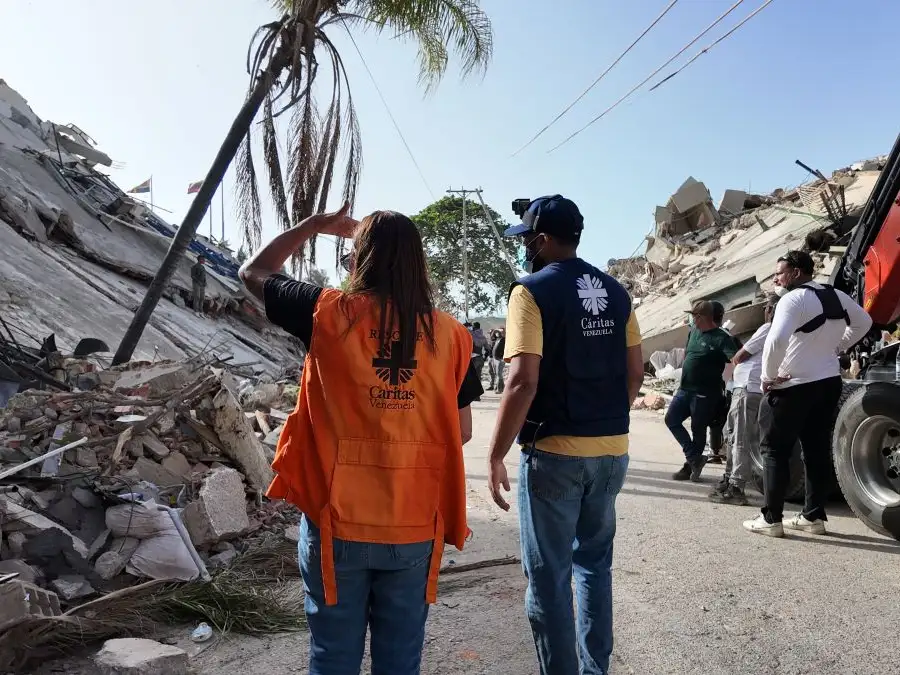
Local partners are often the first to respond when an emergency hits. However, historically their efforts are often under-recognised. We are proud to work closely with these local teams within countries helping them provide emergency support based on what the local communities need and can do for themselves.
Our work on humanitarian preparedness, response and recovery focuses on three key areas:
Our local partners support families before, during and after a crisis. This means we help families prepare for an emergency, survive in a crisis and stand with them as they rebuild their lives.
Before an emergency happens, we help our local partners get ready to respond quickly and effectively. This might take the form of emergency preparedness planning – a process of identifying potential crises, thinking through how they might respond and what they can do to make a future response more effective.
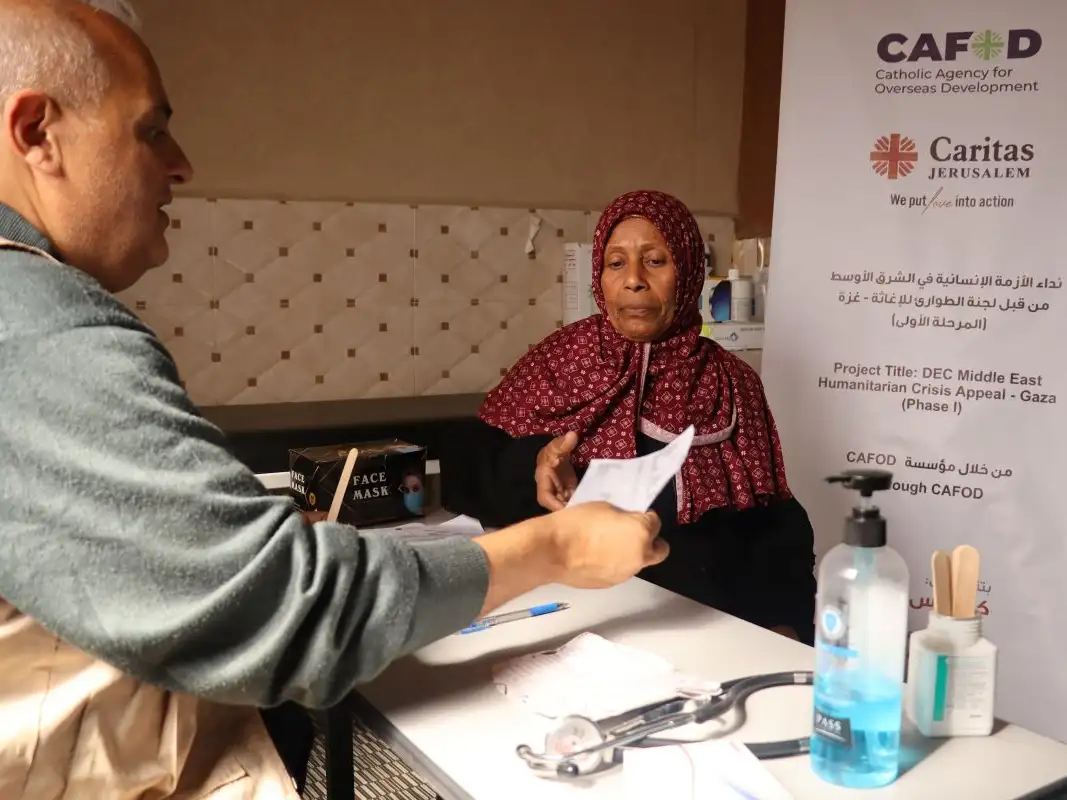
When an emergency happens, we work with local partners to provide fast, fair and environmentally friendly help and recovery. We work alongside our partners on humanitarian activities which are safe and accessible. This includes support such as cash assistance – providing families in a crisis with money to buy essentials like food and warm clothes.
Emergencies can disrupt communities and undo years of progress. Taking a long-term approach that focuses on reducing risk and building resilience before a crisis strikes can greatly lessen its impact.
Through working with local experts over the long-term, we aim to address the root causes of social, political, economic, environmental, and climate challenges. We help families and communities prepare for crises like flash floods, adapt and recover so they can flourish even in changing circumstances. By doing this, we aim to minimise the impact of emergencies and help create a world where communities can thrive, not just survive.
We also recognise the vital role that culture plays in resilience and recovery. Activities that draw on local knowledge and cultural traditions can strengthen communities, foster solidarity, and support mental and emotional wellbeing.
We work with local partners to strengthen their work in helping vulnerable communities. We do this by helping them build connections with other organisations.
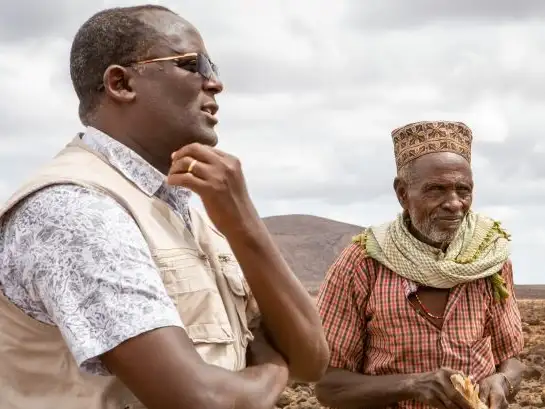
CAFOD's Global Humanitarian Advocacy Programme focuses on putting local leadership – people living and working within the countries we support – at the heart of our humanitarian response. We support our local partners to have a greater role in making the decisions when emergencies hit as they understand the complexities and uniqueness of the communities they serve, making our response even more effective.
This means working with other organisations that believe in locally-led emergency response. We do this through coalitions such as the Charter4Change, the Start Network, the Disasters Emergency Committee and the Core Humanitarian Standard Alliance. We also commit funding to support our local partners, helping them strengthen their own work and invest in research, learning and new ideas.