Gender justice is embedded in all of our programmes around the world. This means that we focus on and respond to the different needs of women, men, boys and girls.
Working alongside our partners and sister agencies, we build on this minimum standard through more ambitious and transformative work that targets women and girls. And we don’t only consider the needs of individuals, but the role of women and girls in their local communities and society at large.
Our unique contributions are closely connected to our organisational strategy, Our Common Home, and focus on four key areas:
1. Women’s influence through and within Church networks
The local church is a trusted presence within communities in diverse contexts, providing direction in the lives of many. CAFOD is part of the global Church network, present in 165 countries. We work with community leaders within the Church to enable positive shifts around masculine identity and gender roles, promoting greater gender justice from within.
2. Local women-led agency, leadership and voice
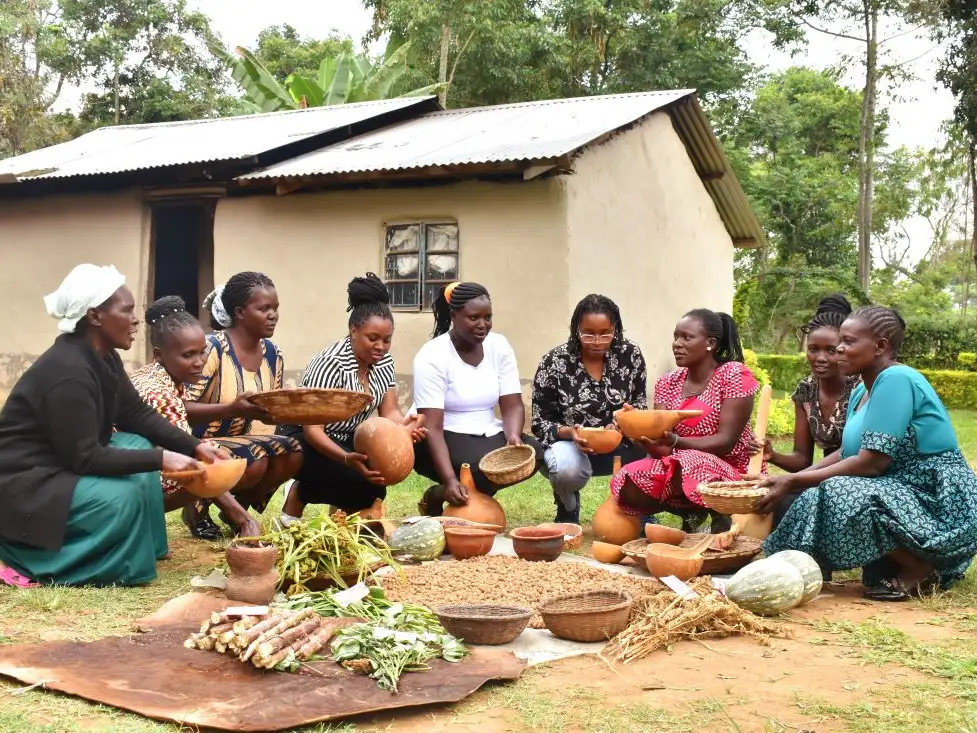
CAFOD champions local women-led and women’s rights organisations, recognising their unique contributions to responding to community needs. We support women’s leadership and representation through our partners and local experts. We provide sustainable funding and strengthen organisations and programmes through training opportunities, peer-to-peer learning and advocacy.
3. Gender-sensitive programme quality foundations
CAFOD underpins all its programming with a robust framework that addresses safety, accessibility, dignity and inclusion (SADI). We ensure a minimum level of gender sensitivity in projects through gender and risk analysis. We collect data about sex, age and disability in order to understand the changing needs of participants. This helps us to make sure that women and girls are participating actively throughout the design, implementation and evaluation stages of projects.
4. Integrated programming addressing gender injustice
CAFOD’s international programmes are rooted in the principles of integral ecology. This means we promote an interconnected understanding of political, economic, social and environmental issues, addressing gender injustice alongside other forms of injustices.